
Market and audience insights for selling a 3D printer
Who buys used 3D printers and why
Across rural South Africa, one in five artisans feels a flutter of curiosity about 3D printing, imagining tools that turn scrap into something useful. The used-printer market draws hobbyists, school clubs, and small repair shops—people who value hands-on learning, local service, and the chance to breathe new life into old machines.
Market watchers note buyers converge on reliability, spare parts, and simple setup. They often buy used to test ideas with minimal risk, to run small prototyping at home, or to teach kids in a township workshop. In the story of selling 3d printer, connection matters as much as capacity.
- Affordable upfront cost and clear warranty
- Local service and readily available spare parts
- Easy setup and user-friendly software
- Educational value for schools and community groups
These voices are more than data; they are neighbours with bright overalls and sun-warmed streets, choosing tools that fit their days and duties.
Key selling points of a well-maintained printer
Across South Africa’s markets, reliability is the soft currency. Buyers in townships and small towns want a machine that behaves like a trusted tool rather than a temperamental gadget. That reality shapes how you approach selling 3d printer systems: ease of setup, dependable performance, and a story of local support.
- Affordable upfront cost and clear warranty
- Local service and readily available spare parts
- Easy setup and user-friendly software
- Educational value for schools and community groups
These signals guide the conversations buyers have and the assurances they seek. A well-presented printer becomes a neighbourly investment—something that keeps the workshop humming rather than a one-off curiosity.
Overcoming buyer objections and concerns
“Reliability is the new currency,” a shopkeeper once rasped, and in South Africa that line rings true. Across townships and small towns, buyers measure a 3D printer by uptime and the quiet ache of doubts saved, not by glossy specs. The market listens for a story of local support, easy setup, and predictable performance—three threads that stitch trust into a single instrument of work.
Market and audience insights reveal that people want easy access to spare parts and service, avoiding downtime that halts a project. In messaging for selling 3d printer to South African communities, highlight local resellers, service intervals, and durable components that survive long hours of use. Conversations focus on peace of mind, while objections about price, downtime, and compatibility are met with honest stories from nearby technicians who kept the line running.
- Cost-to-value in cash-poor markets
- Upfront setup and user-friendly software
- Availability of local parts and service
Industry trends influencing resale value
Uptime is the loud heartbeat of South Africa’s workshop floor. Local buyers report downtime as a deal-breaker, with a surprising 68% walking away at the first hiccup. For anyone aiming at selling 3d printer, reliability is non-negotiable—it turns a gadget into a trusted workhorse, where quiet operation and predictable performance do the heavy lifting.
- local resellers with spare parts
- transparent service intervals
- durable components for long hours
Market signals edge toward easy access to spare parts and local service, so buyers feel they’re not investing in a black box. That clarity lets you price with confidence and promise a future-proofed workflow.
Industry trends shaping resale value include standardized components, longer warranty options, and a robust SA secondary market for education and small businesses. Printers backed by local service and durable hardware fetch higher value when the maintenance history is transparent.
Preparing your 3D printer for a successful sale
Cleaning, calibration, and testing procedures
Listings with clean photos and a tested unit sell faster—up to 40% quicker, according to market observers. Preparation for selling 3d printer hinges on first impressions. A spotless, well-documented unit signals care and reliability, inviting buyers to invest. In this space, clarity and reliability are non-negotiable; credibility begins long before price discussions start.
Cleaning, calibration, and testing set the tone. Exterior surfaces get a microfiber wipe with isopropyl alcohol; dust is banished and the printer shines. Build plate and cables are checked, and firmware notes recorded. A confident buyer gains assurance.
- Wipe exterior and build plate; ensure no residue
- Inspect belts and pulleys; tighten if needed
- Perform a calibration check and note any misalignment
- Run a short test print to verify finish and dimensions
Finally, store and present: include manuals, receipts, and a sample file. The buyer values predictability as much as savings, and your preparation delivers both.
Documenting specs, firmware, and accessories
Listings with complete specs move faster, with buyers deciding 40% quicker once the essentials are visible. Preparing your 3D printer for a successful sale hinges on crisp documentation: exact specs, current firmware, and every accessory accounted for. This clarity signals care and reliability, inviting informed offers from discerning buyers in South Africa.
- Exact model, build volume, and filament compatibility
- Firmware version and update notes
- Included accessories: power supply, cables, nozzle wrenches, memory card
- Recent calibration notes and test prints
In my experience, manuals, receipts, and a sample file convert curiosity into commitment. Across South Africa, in local marketplaces, solid provenance cuts friction and steadies expectations for an equitable deal. That credibility matters when shaping a selling 3d printer listing that stands out in a crowded field.
Capturing high-quality photos and video demonstrations
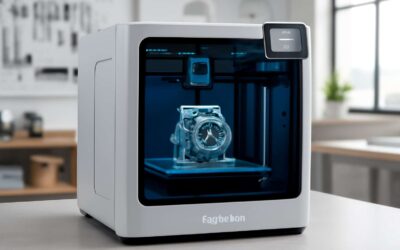
Listings with high-quality photos and video demonstrations sell 40% faster—an almost ghostly nudge that converts curious onlookers into serious buyers! Crisp lighting, stable framing, and minimal background distractions reveal the machine’s true character—and that makes buyers lean in. Start with a hero shot: the printer center-stage, clean and powered on, with the build plate visible and the filament spool rotating slowly in the frame. Then sweep through a quick, real-world test: calibration, a short print in progress, and a close-up of any unique features.
- Lighting balance for clean whites and true color, diffusers to soften shadows
- Angles that reveal the bed area and the motion of the drive system
- Video that captures motion and sound for a tactile sense of reliability
- Context that includes accessories and cables neatly arranged
For the selling 3d printer narrative, these captures should feel honest and deliberate, inviting informed offers from well-informed buyers in South Africa.
Creating a transparent condition report
Clear, honest condition reporting is the secret sauce that turns window-shoppers into serious offers. In South Africa, buyers value transparency. It’s not theatre, just credibility—the kind that gets people to reach for their wallet when you’re selling 3d printer.
Create a concise condition report: model, serial number, firmware version, last calibration date, total print hours, and any wear on belts, nozzle, or bed. Note any quirks, loose cables, or unusual noises. Include photos of the critical areas to back up every claim.
Consider including these in your listing:
- All included accessories and cables neatly bundled
- Original packaging, manuals, and spare parts
- Clear lighting that captures the bed, drive system, and spool
For South African buyers, mention voltage, plug type, shipping options, and return policy. This blend of a clean report and well-presented components helps you set fair expectations and secure informed offers.
Pricing, listings, and visibility optimization
Researching current market prices and demand
South Africa’s online marketplaces throb with energy, and a fairly priced used 3D printer tends to vanish faster than a spool of filament during a marathon print. Research current market prices and demand before you list—data-driven pricing helps you avoid the embarrassment of overshooting or underselling.
- Model and capabilities influence value
- Condition, maintenance history, and calibration quality
- Included extras, parts, and firmware compatibility
- Platform fees and negotiated shipping or pickup terms
Listings and visibility optimization hinge on honest descriptors, precise specs, and compelling photography—elements that influence discovery on SA platforms like Gumtree, OLX, and Facebook Marketplace. For selling 3d printer, let the listing speak plainly and with a touch of personality to cut through the noise.
Pricing strategies to maximize value and speed
Pricing for selling 3d printer in SA isn’t guesswork—it’s a lilting calibration of demand, condition, and platform realities. A deft price glance can accelerate a sale without leaving value on the table, while an overstep invites quiet stall. I watch the market breathe and let data mingle with intuition.
- Model, age, and calibration history shape value
- Extras, firmware compatibility, and service records
- Platform fees and local pickup or shipping terms
Listings and visibility hinge on crisp, honest descriptions and precise specs that draw the eye and sustain trust. In SA marketplaces, a precise title and timely responses keep momentum alive, turning interest into conversations and then into a closed sale. This is selling 3d printer with both soul and speed.
Crafting compelling product listings with keywords
In South Africa, pricing isn’t guesswork; it’s a lilting calibration of demand, condition, and platform realities when selling 3d printer. The right price moves curious buyers into conversations without leaving value on the table, while a misstep can stall. The market breathes and responds to signals.
Listings must earn trust at a glance. Crisp titles and honest condition notes draw the eye and sustain momentum. To optimize visibility, rely on a concise, keyword-rich heading, a compact specs block, and prompt responses that nurture inquiries into conversations.
- clear, keyword-rich titles tailored for SA buyers
- accurate specs and transparent condition notes
- responsive communication that nurtures interest
Visibility optimization blends SEO-friendly descriptions with platform signals: fresh photos, updated specs, and timely engagement. Aligning with local search habits creates a cadence that moves buyers toward sale.
Optimizing titles, descriptions, and specs for search
South Africa’s online buyers respond to pricing as a signal. A SA marketplace pulse shows precise pricing closes deals faster. When selling 3d printer, the price calibrates demand, condition, and platform realities.
Listings earn trust at a glance: crisp, locality-aware titles, concise specs, and candid condition notes guide buyers toward confident conversations.
Visibility thrives on fresh photos, updated specs, and timely replies that keep the listing alive in feeds and searches.
- Crisp, keyword-driven SA headings
- Up-to-date specs and honest notes
- Prompt, courteous inquiries responses
Choosing the right sales channels and platforms
Pricing in the SA market acts like a first handshake: clear signals, quick decisions. When selling 3d printer, the price must reflect condition, demand, and platform realities to prevent drift. A crisp price tag can convert browsing interest into real conversations.
Listings earn trust at a glance when titles are crisp and locality-aware, specs up to date, and notes frank. Consider these channels for visibility:
- South African online marketplaces
- Local classifieds and community boards
- 3D printing communities and groups
Visibility thrives on fresh photos, updated specs, and timely replies that keep the listing alive in feeds and searches. When selecting channels and platforms, the aim is to balance reach with trust—regional marketplaces, tech forums, and consumer electronics sellers all play a part in the journey.
Logistics, payments, and post-sale support
Packing, shipping, and insurance considerations
Across South Africa, a sale hinges on logistics that feel effortless. For selling 3d printer, clear payment options, transparent timelines, and a straightforward checkout can convert curiosity into confirmation, fast.
- Sturdy packing materials and exact protection for sensitive components
- Insured, trackable shipping with a reliable carrier
- Clear delivery estimates and an uncomplicated returns policy
Post-sale support is the finishing polish: a concise condition report, firmware notes, and accessible troubleshooting channels build trust. In this climate, well-handled aftercare turns a one-time sale into confident referrals for selling 3d printer.
Setting expectations with buyers and handling payments securely
In SA, last-mile delivery can capsize a sale faster than a flashy spec sheet—speed, clarity, and convenience determine who bites. For selling 3d printer, clarity on timelines and payments turns curiosity into commitment. Buyers want a frictionless path from cart to doorstep, not a scavenger hunt across endless emails.
Here’s how to set expectations and guard the wallet:
- Transparent delivery estimates and trackable shipments to keep buyers informed
- Secure payment options and clear refund policies to minimize friction
- Uncomplicated checkout with visible charges, taxes, and duties
- Defined after-sale support channels for quick help and peace of mind
Post-sale support becomes the finishing polish: accessible troubleshooting, onboarding tips, and timely follow-ups build trust. In a market where feedback travels fast, a buyer who feels guided is a buyer who shares your listing and returns for their next project. That loyalty doesn’t evaporate; it compounds.
Return policies, warranties, and dispute resolution
Speed kills doubt; clarity seals deals. In South Africa, last-mile delivery can capsize a sale faster than a polished spec sheet, so selling 3d printer hinges on a clean, trustworthy path from cart to doorstep.
Logistics must be crystal: transparent delivery estimates, trackable shipments, and secure payment options. Show taxes and duties up front and keep checkout uncomplicated to reduce friction and win trust, as if fate favors smooth sails.
Post-sale support is the finishing polish—accessible troubleshooting, onboarding tips, and timely follow-ups that turn first-time buyers into repeat customers, guided by a quiet guardianship.
- Return policies: clear windows, easy processes
- Warranties: straightforward terms and coverage
- Dispute resolution: fast, transparent channels
In a market where feedback travels fast, those selling 3d printer become guides that turn buyers into loyal advocates who share your listing and return for future projects.
Post-sale support and customer satisfaction strategies
Speed is the quiet salesperson, and in South Africa that speed shows in delivery clarity. In selling 3d printer, logistics must be crystal: transparent delivery estimates, trackable shipments, and secure payment options. Taxes and duties appear up front, and checkout stays simple, guiding buyers to the doorstep with confidence.
- Transparent delivery estimates
- Trackable shipments
- Secure payment options
Post-sale support is the finishing polish—accessible troubleshooting, onboarding tips, and timely follow-ups that turn buyers into repeat customers. I share setup videos, respond quickly, and check in after delivery. In this space, a quiet guardian sustains trust long after the sale, inviting ongoing projects and referrals.

0 Comments