
Comprehensive guide to 3D printing components
Frame and Gantry Components
Precision is a whisper that decides a print’s fate. In South Africa’s thriving maker scene, frame and gantry components are the backbone of every 3d printer parts build—the quiet engine that turns digital intent into solid reality. Without careful alignment, even the finest filament becomes a pale echo of its potential.
Within the frame and gantry ecosystem, the main elements matter most:
- Aluminium extrusion profiles with tight tolerances
- Linear rails or smooth rods paired with precise carriages
- Gantry brackets and cross members engineered for rigidity
These elements collectively register as the geometry of motion in 3d printer parts.
Motion System Essentials
In South Africa’s vibrant maker spaces, the motion system is the quiet conductor behind every successful print. The first layers reveal the truth: up to 70% of defects trace back to misalignment and jitter in motion, a reminder that consistency is everything in 3d printer parts.
Within this system, a few principles shape reliability:
- High-quality linear guides and preloaded carriages
- Robust drive components with precise belt and pulley alignment
- Tight, rigid cross members for stable gantry performance
In practice, the motion system matters as much as any frame. When the parts align, the machine sings. Even in rural workshops, the dance of rails and screws becomes a reliable partner.
Printing Bed and Extrusion Path
Across South Africa’s maker spaces, mislevelled beds waste material and time. A recent pulse survey shows nearly half of early prints falter at the bed, a reminder that a calm, true foundation is everything.
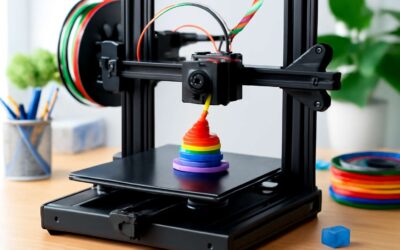
In the realm of 3d printer parts, the Printing Bed and Extrusion Path anchor every successful build. The bed should provide steady adhesion: a heated surface helps warp-prone filaments stay flat, while a PEI or glass surface delivers reliable first layers and easy removal.
- Bed leveling accuracy and repeatability
- Surface adhesion and material compatibility
- Appropriate bed temperature and surface preparation
Meanwhile, the Extrusion Path governs how plastic travels from spool to model. A consistent extrusion width, correct flow, and careful retraction reduce gaps and oozing, ensuring smooth lines along the intended route and preserving the print’s overall integrity.
Electrical and Control Systems
South Africa’s maker spaces reveal a striking truth: nearly half of early prints stumble at the electronics stage, where control systems decide whether layers align or wander. In the realm of 3d printer parts, the Electrical and Control Systems act as the machine’s conscience, orchestrating heat, motion, and timing with quiet precision.
Key elements that keep this orchestra in tune include:
- Microcontrollers or dedicated control boards
- Stepper motor drivers
- Thermal sensors and hot-end thermistors
- Power regulation and protection circuits
These units regulate how power flows, how sensors report temperature, and how firmware interprets commands into precise motor steps. I’ve witnessed long nights where a capricious signal finally settles, and the print breathes. The result is smoother, more reliable prints that resist the caprices of voltage fluctuations and noisy signals.
For South African makers, choosing robust boards, accurate sensors, and dependable drivers makes the difference between a dream and a deliverable. In the end, these 3d printer parts form a trustworthy backbone as your projects unfold in measured, suspenseful rhythm.

0 Comments