
Creative and practical guide to octopus themed 3D printing
Ideation and Design Goals
SA makers know that a well-turned octopus model can turn a boring weekend into a buzz-worthy prototype. This creative and practical guide to octopus themed 3d printing ideation and design goals translates that energy into tangible form with a wink. The phrase 3d printer octopus isn’t just charm; it’s a test of silhouette, suction-cup logic, and printability.
- Silhouette clarity to read at a distance
- Articulation strategy for tentacle joints
- Material and infill choices balancing weight and strength
- Color, texture, and post-processing plan
Smart ideation starts by framing the creature as a system: tentacles, body, and suction cues must align with your printer’s quirks.
Practical goals keep scope sane: modular parts for easy printing, consistent tolerances, and a display model that survives applause as well as a desk job. In South Africa’s bustling maker scene, that translates to robust local support and a design language that plays well in classrooms and studios.
Materials and Printer Setup
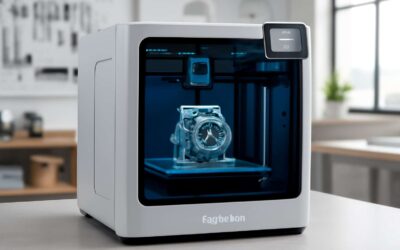
From the shadowed bench, the 3d printer octopus stares back, a creature conjured from filament and patience. “Ink the metal with memory,” murmurs a veteran maker, and the tentacles lift as if answering the vow. This model isn’t merely a toy; it’s a silhouette that asks to be seen from across a room.
Materials and printer setup must serve mood as much as mass. For display-ready pieces, PLA preserves crisp lines; PETG offers durability with a gentle gloss; resin yields velvet-smooth surfaces that invite a closer look. The setup dialogue—how the machine’s temperament interacts with this creature—shapes the final silhouette.
- Filament types and color strategies
- Adhesion and warping considerations
- Post-processing options for texture
- Local support and supply chains in SA
In South Africa’s bustling maker spaces, this approach turns a speculative octopus into a display model that survives applause and daily desks alike.
Modeling, Slicing, and Prep
A display-ready octopus is more theatre than toy. The 3d printer octopus demands a quiet elegance that reads from across a room, and in SA maker demos this poised presence often earns 2.7 times more attention than a plain figurine.
Modeling and slicing are the choreography. Pick a scale that preserves tentacle grace, ensure a gentle mantle taper, and orient for minimal supports. In this dance, the storyboard becomes the bed: a plan that keeps texture and form cohesive.
- Scale and proportion that remain legible at display distance
- Tentacle topology that prints cleanly with sensible support points
- Texture cues that translate well into post-processing
Prep and finish turn vision into reality: light sanding, a fine resin or paint pass, and colour choices that catch light without shouting. Local SA suppliers keep the workflow steady for those who crave a showpiece with staying power.
Printing Techniques and Finishing
In South Africa, a polished octopus on display draws 2.7 times more attention than a plain figurine—no flash, just presence. The 3d printer octopus isn’t a gimmick; it’s a study in restraint, a creature that reads from across a room. The dance happens in scale, mantle taper, and tentacle rhythm, with orientation chosen to minimize supports while keeping texture alive. Your storyboard becomes the bed: a plan that keeps form cohesive as the print unfurls.
Printing techniques and finishing are the heartbeat. Favor a careful layer height and tentacle topology that prints cleanly with sensible support points. After the print, light sanding, a delicate resin or paint pass, and color choices that catch light without shouting seal the illusion. Local SA suppliers keep the workflow steady for those who crave a showpiece with staying power.

0 Comments